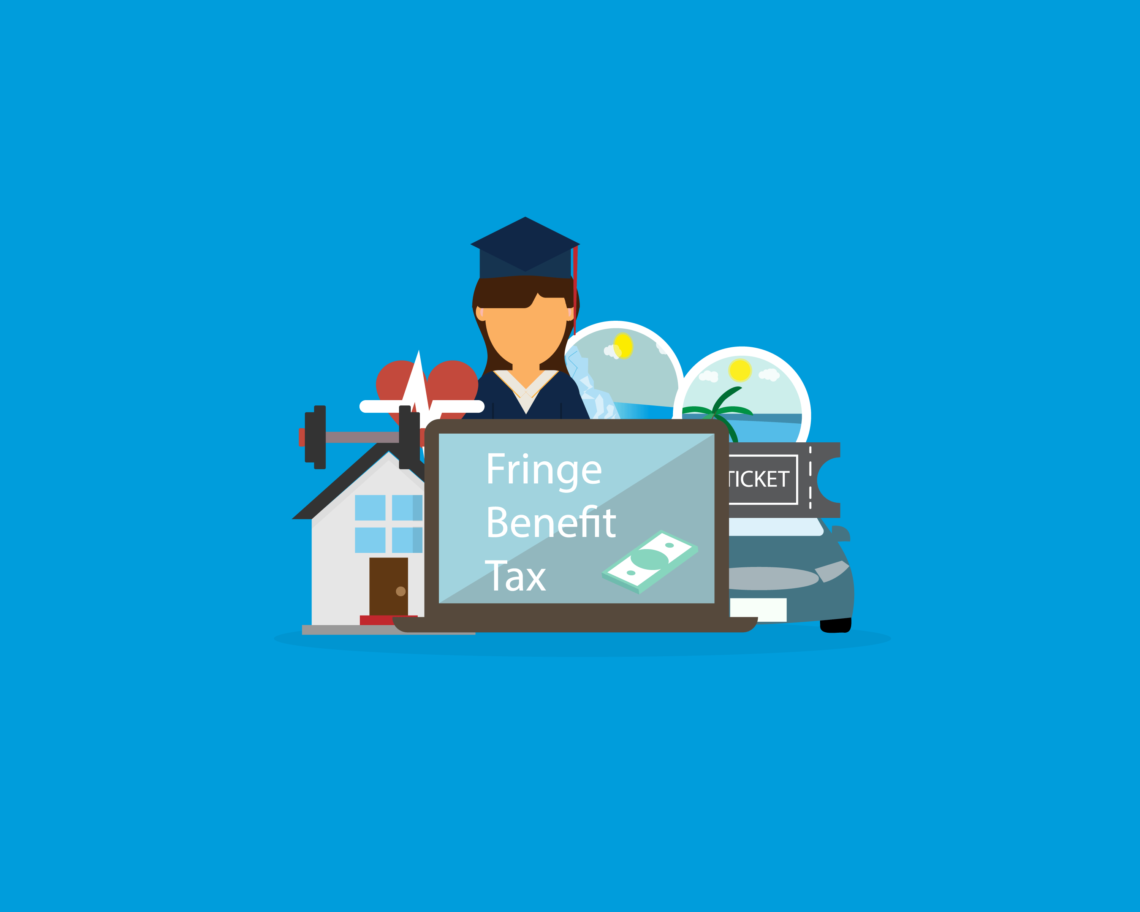
Fringe Benefits Tax (FBT) is high on the ATO’s focus as they want to ensure that businesses are meeting their tax obligations.
As a starting point, you’ll want to consider what fringe benefits you’ve provided to staff during the FBT year, which goes from 1 April through to 31 March.
Step 1: Identify Benefits Provided
A fringe benefit is a non-cash benefit you’ve provided that in not part of wages and is private in nature.
Common benefits include:
- Meals & Entertainment: think Christmas parties, after-work drinks, tickets to events, off-site lunches.
- Motor Vehicles: Vehicles that are owned by a business and are available to employees for private use (usually means that they are garaged at employees homes) – Utes are included as motor vehicles.
- Payment of Private Expenses: Gym memberships, private health insurance, phone or internet expenses, gifts over $300.
- Loans: If you’ve lent employees money without any commercial repayment or interest terms.
Step 2: Identify Exemptions
Some benefits are exempt from FBT.
Common exemptions include:
- Otherwise deductible: If the employee would have been able to claim a tax deduction had they paid the expense themselves.
- Portable Electronic Devices: If the device provided is primary, i.e., over 50%, used for the purpose of enabling the employee to perform their job (e.g. laptops, mobile phones, iPad).
- Minor Benefits: Benefits costing less than $300 (including GST) per person that are provided on an infrequent and irregular basis (e.g. Christmas parties).
- Exempt Vehicles: Vehicles that are not principally designed to carry passengers AND the private use is minor, infrequent and irregular.
- Electric Cars: Subject to strict criteria, whilst the benefit may be exempt from FBT it remains a reportable benefit at employee level and so still requires calculation.
Step 3: Calculate Fringe Benefit and Lodge Return
Once you have identified all benefits provided and looked for exemptions, it’s time to get the paperwork in order.
Benefits provided can be reduced by contributions made by employees in some cases (this may eliminate any FBT liability).
You’ll want to get declarations from employees where you are wanting to rely on an exemption or contributions. The ATO has available proforma declarations you can use. These should be on hand by 21st May.
For motor vehicles that you are wanting to use a log book for calculation of FBT, check that the log book is still valid, including that the same driver applies to the vehicle now as when the log book was first kept.
Once you have all your data, you’ll then need to calculate the benefit provided and any FBT payable. You’ll then need to lodge a FBT return by 25th June (if lodging electronically with the help of an agent) or 21 May (if lodging on paper or doing it yourself).