If you’ve heard whispers about “Payday Super” but haven’t quite wrapped your head around it — you’re not alone. This is one of the biggest changes to Australia’s Super Guarantee (SG) system in decades, and it’s coming soon. For employers and employees alike, it’s an important shift.
What’s Changing – Super Paid on Payday
From 1 July 2026, employers will no longer be able to hold superannuation contributions and pay them quarterly. Instead, Super Guarantee contributions must be paid at the same time as your wages or salary – literally on payday.
Here’s what that looks like in practice:
- SG is calculated on qualifying earnings for each pay cycle
- Payments must generally arrive in your super fund within 7 business days of payday
- The old quarterly payment system will be retired completely
In short: when you get paid, your super gets paid too.
Why the Change Matters
Payday Super isn’t just a compliance update – it has real benefits for employees and employers alike.
- Better Retirement Outcomes: Paying super more frequently means contributions start earning interest sooner. Over time, this compounding effect can make a noticeable difference to your retirement savings.
- More Transparency and Fairness: Employees will see super payments landing closer to payday, and the ATO can identify missing or late payments much faster. This reduces the risk of unpaid or underpaid super.
- A Win for Casual and Part-Time Workers: Casual and part-time employees have historically been more at risk of delayed or missed super payments. Payday Super helps ensure contributions are consistent and on time.
How Employers Can Prepare
If you run a business or handle payroll, there are a few things to get ready for before July 2026.
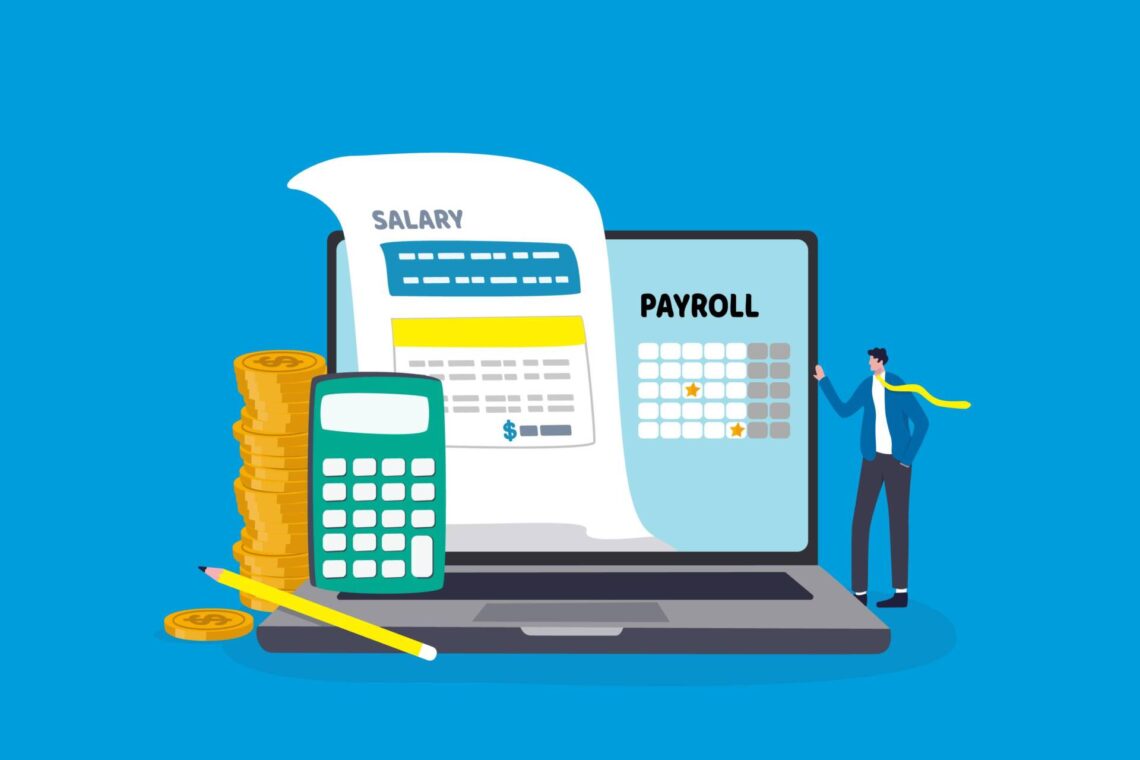
Update Your Payroll Systems
Your software will need to:
- Calculate SG on every pay run
- Report correctly through Single Touch Payroll (STP)
- Process super payments more frequently
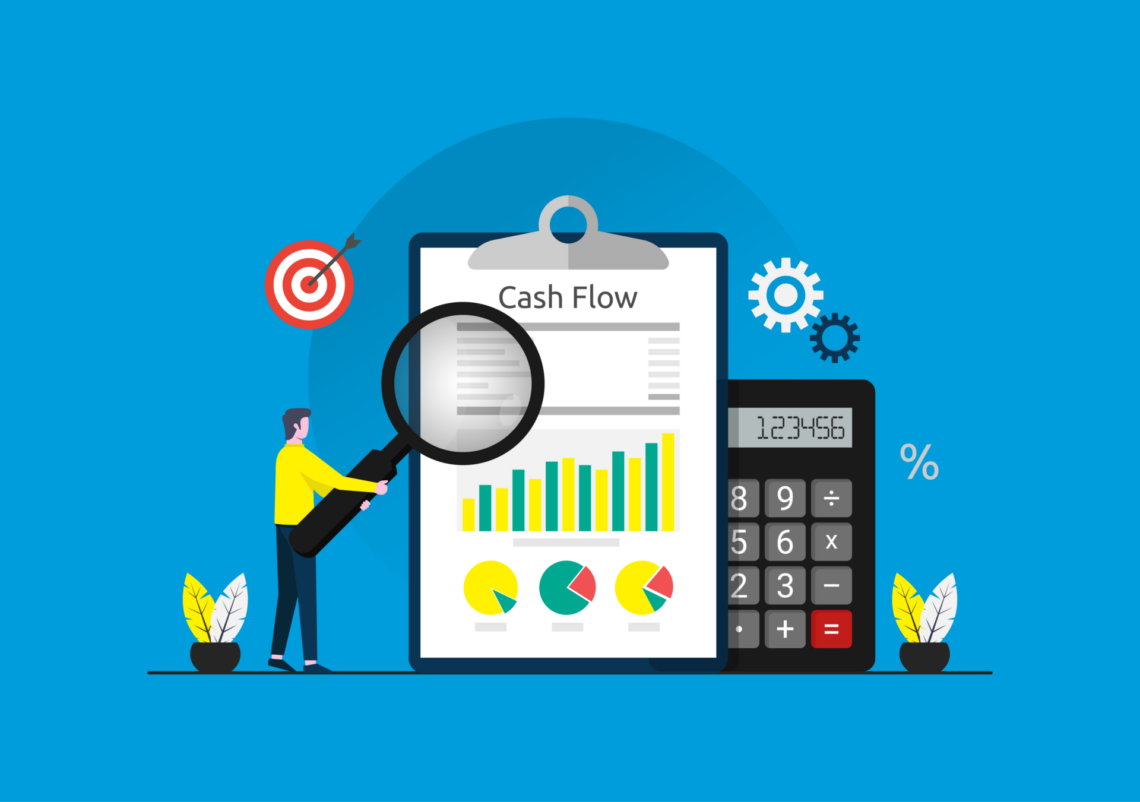
Plan for Cash Flow
Instead of saving super quarterly, you’ll need to budget for it every pay cycle. Planning ahead is especially important for small businesses.
Transition Off the SBSCH
The ATO’s Small Business Superannuation Clearing House will close on 30 June 2026. If you use it now, you’ll need a new payment solution in place before Payday Super starts.
Have a plan for contractor super payments
If your contractors also attract Superannuation Guarantee you will need to pay their superannuation on the same day that you pay them for their services. The same requirements apply with regards to using a SuperStream compliant clearing house. You might like to consider streamlining your payment cycles and terms so that you can keep on top of your pay-day super obligations.
This may mean an impact to the cashflow of your contractors, so plan and communicate early.
What Happens If Super Is Late?
Late or missing super contributions can still trigger:
- Super Guarantee Charge (SGC) penalties
- Non-deductible interest on late payments
- Non-deductible Penalties that cannot be remitted
- Greater compliance scrutiny from the ATO
With more frequent reporting, mistakes are likely to be noticed sooner, making accuracy more important than ever.
What This Means for Employees
For employees, Payday Super is mostly good news:
- Super appears faster
- Less risk of missing payments
- Potentially higher retirement balances thanks to earlier compounding
It’s a quiet change that can make a big difference over time.
Pro Tips Before July 2026
- Employers: Test payroll runs now and speak to your accountant or payroll provider.
- Employees: Keep an eye on your super statements and ask questions if anything looks off.
- Everyone: Use this as an opportunity to review your super setup – fund choice, details, and contributions.
Payday Super is a positive, long-term shift for Australia’s super system. It’s simple in concept but requires careful planning to get right.
At Lemonade Beach Accounting, we help business owners and employees navigate changes like this without stress. From payroll setup to cash flow planning and compliance support, we make sure you’re ready before 1 July 2026. After all, when it comes to accounting changes, it pays to be ready.
Payday Super Checklist for Employers
Getting ready for Payday Super doesn’t have to be overwhelming. Download our quick checklist to make sure your business is prepared before 1 July 2026.